The Birth of R2-D2
How Douglas Trumbull's 1972 low-budget, bleeding heart science fiction classic yielded not just the basic look of, but the humanity of R2-D2 and robots everywhere.
Igor Stravinsky, Tintin and the Hidden Fortress. A simple walk through the Jundland Wastes proves itself to be quite layered.
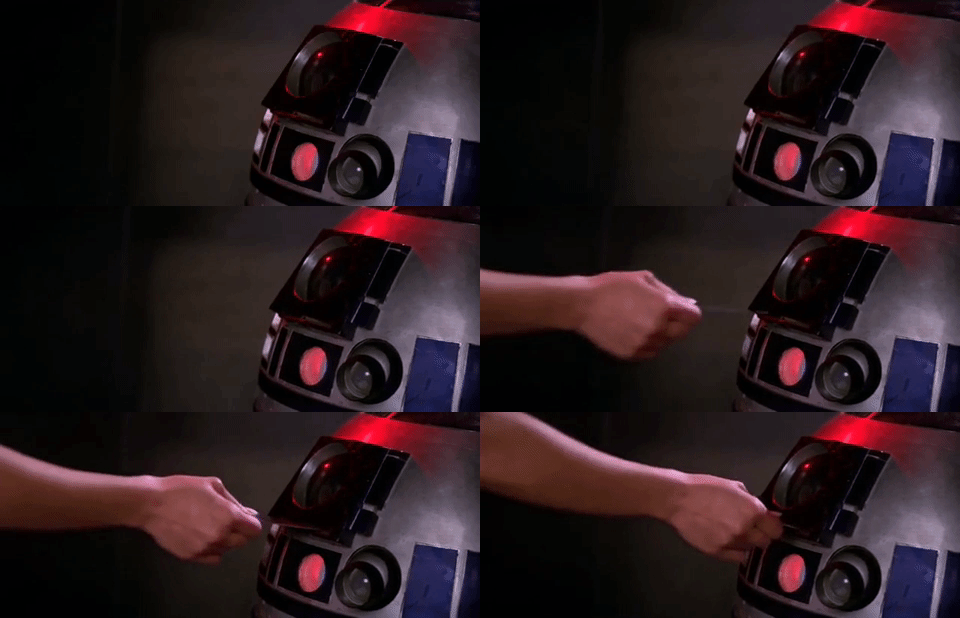
A video that has lingered behind the scenes for quite some time, awaiting my if-I'll-ever-get-around-to-it writeup on the role of comic books in the creation of Star Wars.
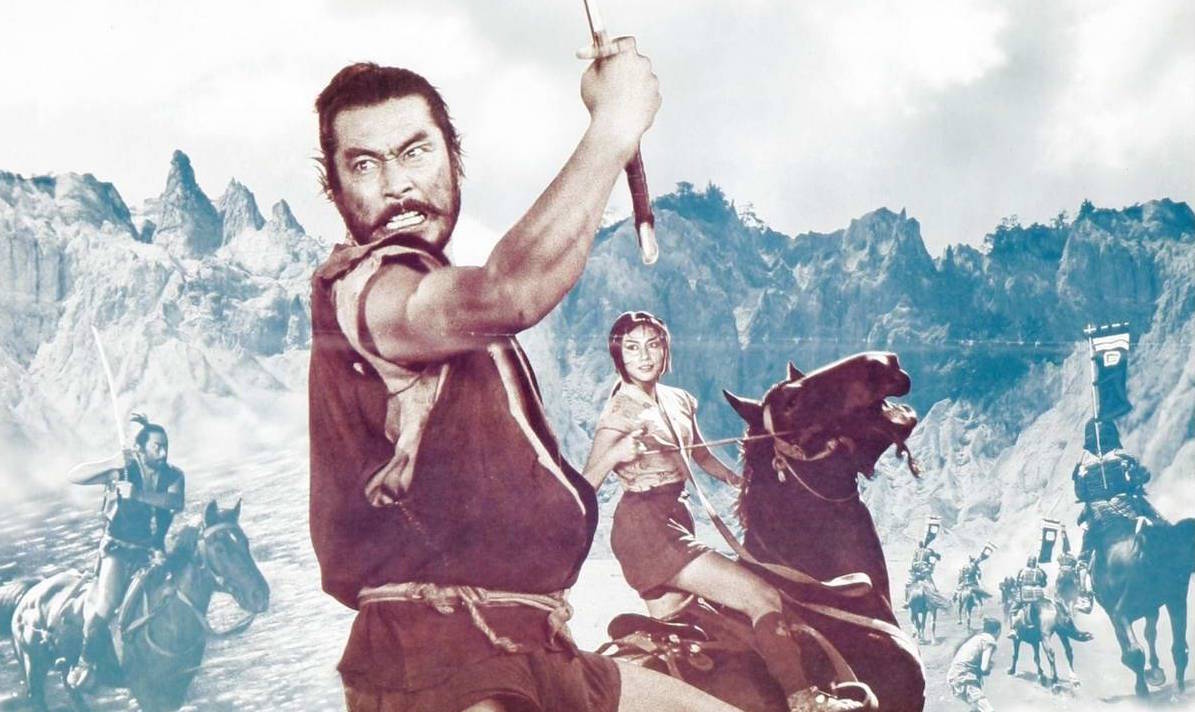
It mashes up a mixture of Tintin and the Cigars of the Pharaoh, and of course a bit of Akira Kurosawa's The Hidden Fortress, including a snippet of soundtrack that seems oddly familiar, much like the snippet of Igor Stravinsky, as noted by Jonathan Rinzler in The Making of Star Wars (page 243).
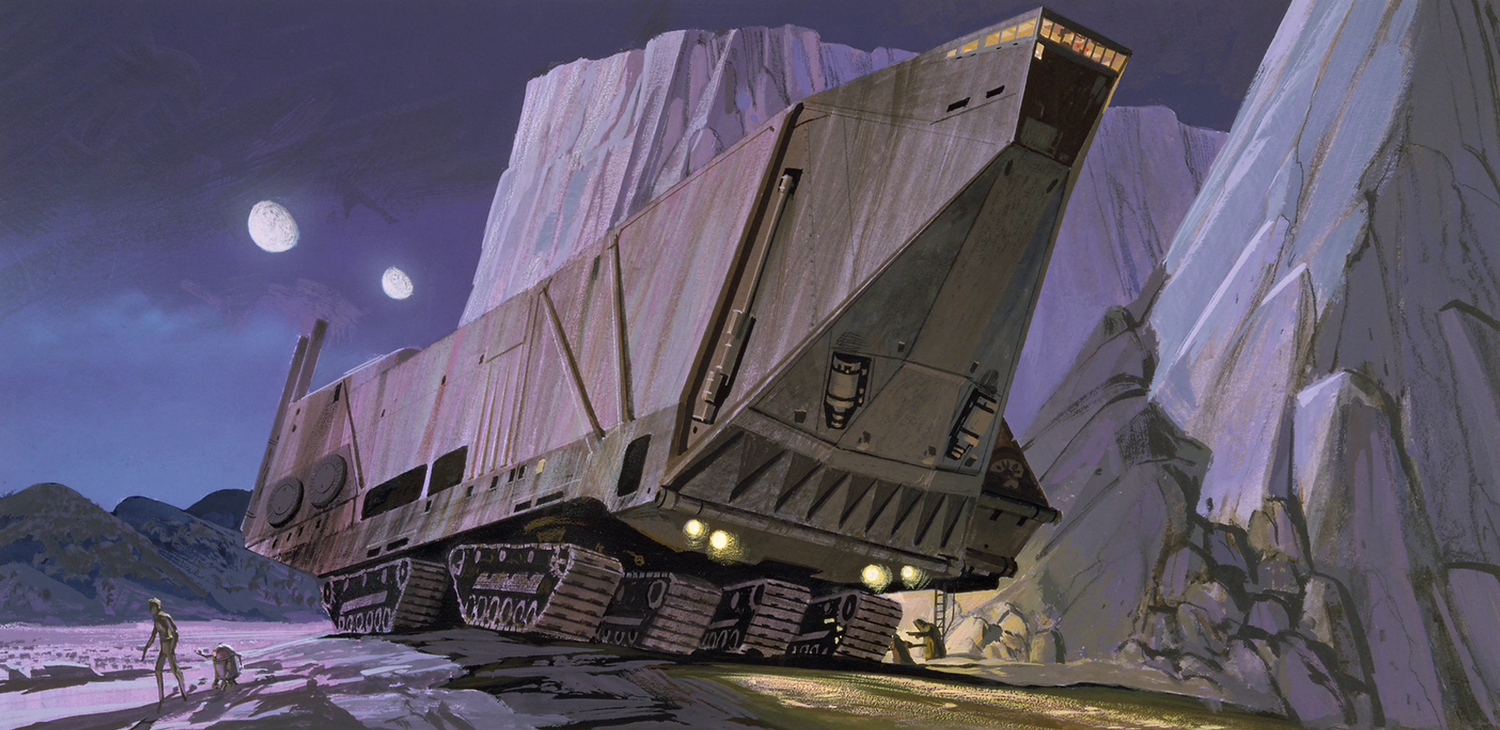
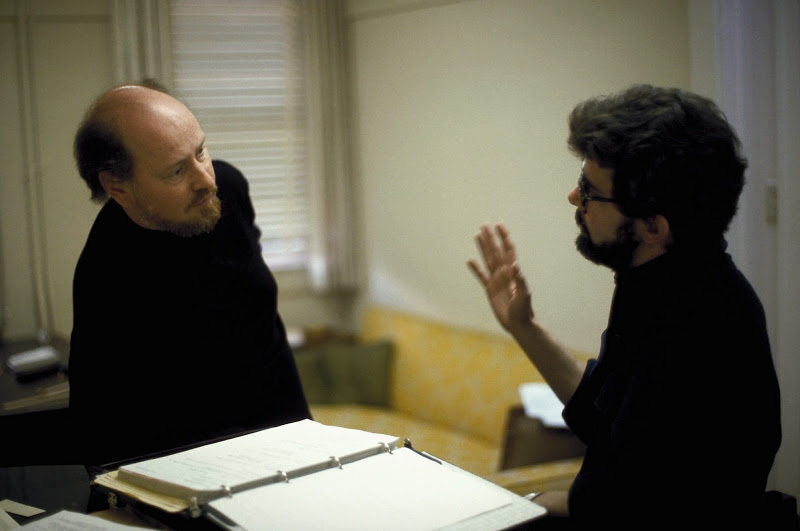
Before showing a cut of the film to John Williams, Lucas and Hirsch added to the temp track. The director had designed his film as a "silent movie," told primarily through its visuals and music, so great care was taken to obtain the right moods. "We used some Stravinsky, the flipside of The Rite of Spring," Hirsch remembers. "George said nobody ever uses that side of the record, so we used it for Threepio walking around in the desert. The Jawa music was from the same Stravinsky piece.
Here's the page from the fourth Tintin album which was first published in French black and white in 1934, and then in 1955 in full color, and finally translated into English in 1974, just in time for Lucas to find it in his ravenous research phase for Star Wars. Shown here, Cigars of the Pharaoh has Tintin and Snowy stranded in a desert, when they walk into a canyon ambush.
Utini.

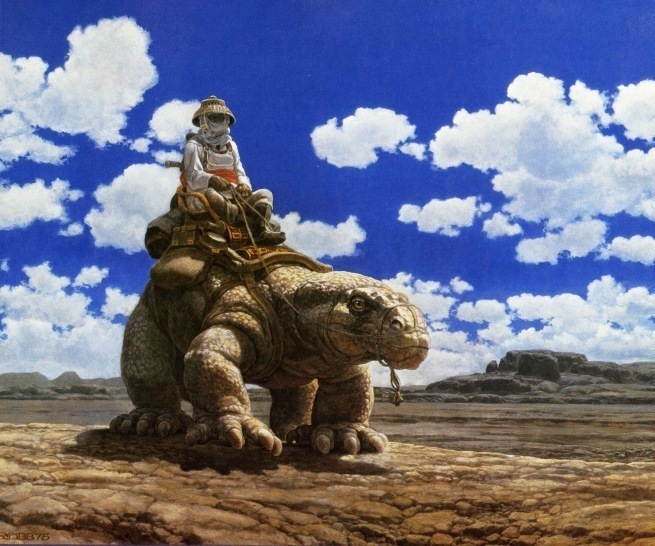
Riders astride giant lizards might not have been an entirely novel concept by the mid 70s, but Ron Cobb's take on it had an air of the fantastic, while being grounded in reality. Cobb would go on to work on creatures for Star Wars , and this early design probably inspired the Dewback.
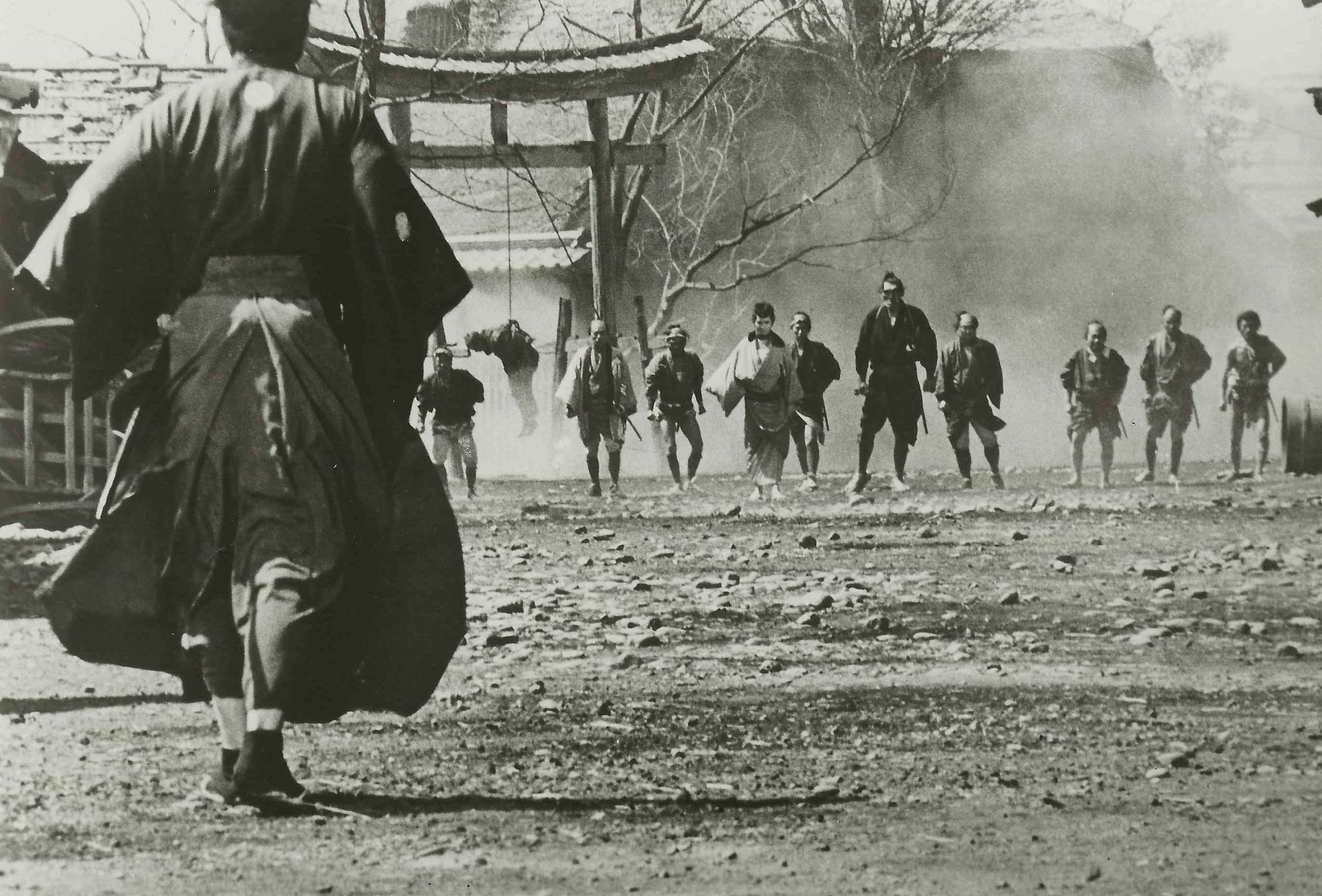
With a career stretching almost 60 years, Akira Kurosawa remains one of the most influential directors in the history of the medium. The pinnacle of his popularity however was perfectly timed with a batch of impressionable USC students ready to take on the world, and his impact on George Lucas in particular is the stuff of legends.